Recycling and Sustainability at Arkley Storage
 Arkley Storage is committed to making storage simpler for customers while also reducing environmental impact. Our recycling and sustainability approach focuses on practical steps that support cleaner operations, smarter resource use, and better waste handling across every part of the business. We aim to achieve a recycling percentage target of 90% for suitable operational waste, helping us divert as much material as possible from landfill through re-use, recovery, and specialist recycling streams. This target reflects our belief that a responsible storage provider should do more than safeguard belongings; it should also protect the places it serves.
In line with local expectations, we pay close attention to the way waste is separated and processed across nearby boroughs. Different councils place emphasis on segregating cardboard, plastics, metals, wood, and general waste, and our Arkley storage sustainability practices are designed to work with those standards rather than against them. We keep materials sorted where possible so that recyclable items are not contaminated, which improves recovery rates and reduces unnecessary disposal costs. This approach also supports better use of local transfer stations, where sorted loads can be directed into the correct processing streams.
 Our team looks for opportunities to reduce waste before it is created. That means choosing durable packing materials, re-using boxes when they remain in good condition, and separating film plastics, paper, and broken pallets for appropriate recycling channels. We also support the wider circular economy by identifying items that can be repaired or repurposed rather than discarded. For customers searching for recycling at Arkley Storage, this practical mindset is part of how we operate every day.
Local Recycling Practices and Responsible Disposal
Across the area, borough recycling systems often encourage residents and businesses to separate dry mixed recycling from food waste and residual rubbish. We mirror that principle in our own operations by keeping streams distinct and by working with approved local transfer stations where waste can be assessed, weighed, and sent onward to the correct facility. This is especially useful for materials common in storage and removals work, such as cardboard, stretch wrap, wood offcuts, and metal fixtures. By sending the right material to the right destination, our Arkley storage recycling practices help make local waste management more efficient.
We also recognise that some items need specialist handling. Damaged electronics, batteries, fluorescent tubes, and certain metal components are separated for compliant recycling where appropriate. This is important in a storage environment, where customers may store a broad mix of household and business items. Our aim is to avoid mixing materials that could reduce the quality of recyclable loads. In practice, that means a more disciplined approach to sorting and a lower volume of unnecessary waste.
 Another part of our sustainability work is keeping the transfer process as streamlined as possible. Loads are planned carefully so that unnecessary journeys are avoided and waste is moved in the most efficient way. Where possible, we consolidate recyclable materials and send them to nearby facilities rather than relying on longer-distance disposal routes. These choices may seem small, but they add up to a meaningful reduction in emissions and support our wider Arkley storage sustainability goals.
Partnerships, Reuse, and Community Value
Arkley Storage also works with charities and community partners to give suitable items a second life. Furniture, home goods, and other reusable belongings can often be passed on to charities rather than entering the waste stream. This not only reduces pressure on recycling systems but also supports local people who can benefit from affordable, reusable items. Our partnerships with charities are an important part of our sustainability approach because they turn potential waste into practical value. When items are fit for use, reuse is often the best form of recycling.
We are especially mindful of how donations can support borough-level waste goals. Many local authorities encourage residents to prioritise reuse before recycling, and our charity partnerships align with that principle. Items such as desks, shelving, chairs, and household furnishings can often be redirected to organisations that specialise in redistribution. In this way, Arkley Storage recycling is not only about sorting waste but also about extending the lifespan of products that still have value.
Where reusable options are not possible, we ensure that materials are handled responsibly. Cardboard is flattened and prepared for recycling, clean plastic wrap is separated where accepted, and wooden items are assessed for recycling or recovery. This layered approach helps us maximise diversion from landfill while staying realistic about what can and cannot be recycled locally. It also supports the idea that sustainability should be practical, measurable, and built into everyday operations.
Low-Carbon Vans and Smarter Operations
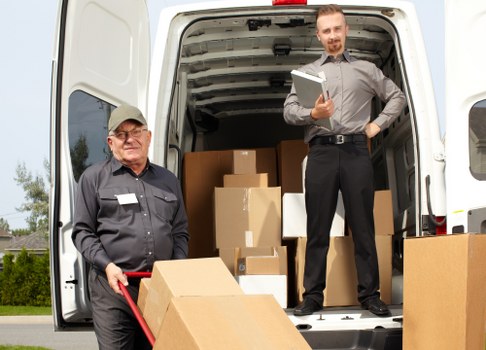
 A sustainable storage service also depends on how goods and materials are moved. That is why Arkley Storage uses low-carbon vans where possible, helping reduce emissions linked to transport. Efficient route planning, regular maintenance, and careful loading all contribute to lower fuel use. By combining low-carbon vans with local disposal and recycling routes, we reduce unnecessary mileage and make our logistics cleaner and more efficient. This is especially relevant in busy urban and suburban areas, where short, well-planned journeys can significantly cut emissions.
Our vehicle strategy supports a broader commitment to greener operations. Lower-emission transport is not a single solution, but it plays a vital role when paired with waste separation, recycling partnerships, and responsible procurement. In everyday terms, it means that the items handled by Arkley Storage can move through a more environmentally conscious system from start to finish. Whether the task involves collection, redistribution, or disposal, we aim to keep the carbon footprint as low as possible.
 Looking ahead, our recycling and sustainability efforts will continue to evolve in step with local recycling standards and better environmental practices. We will keep working toward our 90% recycling target, strengthen charity partnerships, and make increasing use of low-carbon vans and efficient transfer routes. At Arkley Storage, sustainability is not a separate initiative; it is part of how we manage materials, support the community, and improve the environmental performance of our day-to-day work. That commitment helps ensure our Arkley storage recycling approach remains practical, responsible, and fit for the future.